San Quentin WARDENS
CONTRACTORS, LESSEES, AND STATE AUTHORITIES,
1851-1880
During San Quentin’s early years, the prison was not operated under the modern warden system. From 1851 through the 1870s, it was operated by private contractors and lessees, followed by a period of state oversight through the Board of Prison Directors and other state authorities.
John “Jack” Coffey Hays, 1851
As sheriff of San Francisco, Hays briefly operated California’s first state prison aboard the Waban, a former ship converted into a floating prison. His contract was revoked later that year when the state moved toward establishing a permanent prison facility at Point San Quentin.
Gen. Mariano G. Vallejo, 1851
Vallejo, along with James Madison Estell, received the state contract with James Madison Estell to operate the prison in 1851. His involvement was short-lived, and he eventually withdrew from the arrangement, leaving Estell as the primary operator.
As sheriff of San Francisco, Hays briefly operated California’s first state prison aboard the Waban, a former ship converted into a floating prison. His contract was revoked later that year when the state moved toward establishing a permanent prison facility at Point San Quentin.
Gen. Mariano G. Vallejo, 1851
Vallejo, along with James Madison Estell, received the state contract with James Madison Estell to operate the prison in 1851. His involvement was short-lived, and he eventually withdrew from the arrangement, leaving Estell as the primary operator.
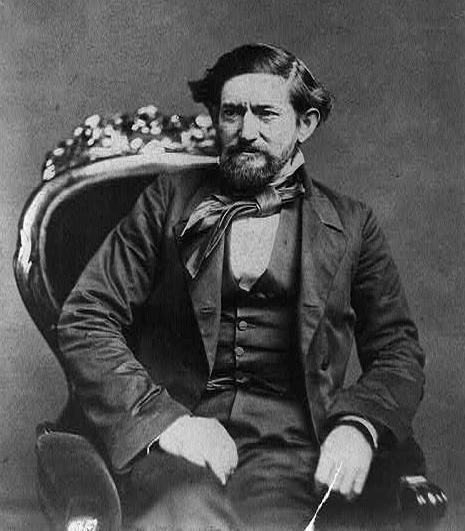
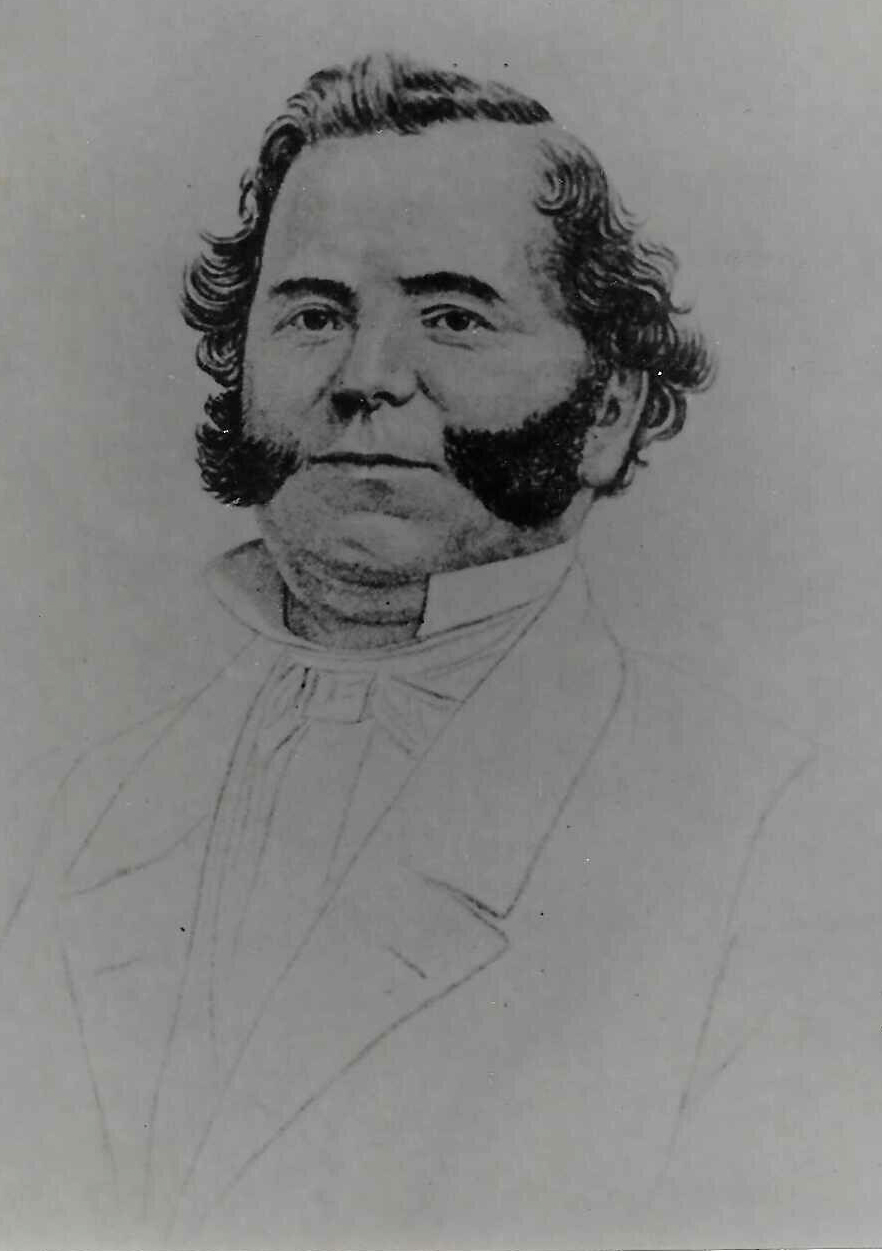
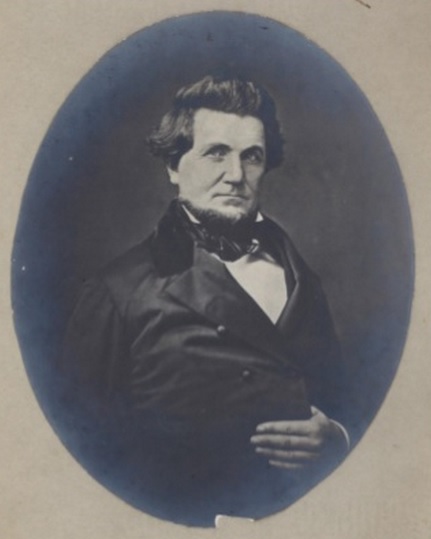
Gen. James Madison Estell (First Private Operator/Lessee), c. 1852–1855; later involved in the lease system (left)
Estell was one of San Quentin's first private operators. Under the early contract system, he and his successors profited from prison labor, including work at the nearby brickworks. His administration was controversial, with accusations of corruption and poor treatment of prisoners. After Estell withdrew from direct management, the operation was subleased to others, eventually leading to state intervention and the end of the private lease system.
John Love, June 1855-1856
Love was one of the three directors appointed when California assumed direct control of San Quentin in 1855, and he was designated warden of the prison under the new state administration. He played a leading role in reorganizing the prison during its transition from private to state control, serving alongside Richard Snowden and W. H. Palmer.
F.S. McKenzie, Warden under state management, 1856-1857
McKenzie served as a warden during San Quentin's transition from private contractors to state control in the mid-1850s. His tenure came at an important turning point in the development of California's state prison system.
Estell was one of San Quentin's first private operators. Under the early contract system, he and his successors profited from prison labor, including work at the nearby brickworks. His administration was controversial, with accusations of corruption and poor treatment of prisoners. After Estell withdrew from direct management, the operation was subleased to others, eventually leading to state intervention and the end of the private lease system.
John Love, June 1855-1856
Love was one of the three directors appointed when California assumed direct control of San Quentin in 1855, and he was designated warden of the prison under the new state administration. He played a leading role in reorganizing the prison during its transition from private to state control, serving alongside Richard Snowden and W. H. Palmer.
F.S. McKenzie, Warden under state management, 1856-1857
McKenzie served as a warden during San Quentin's transition from private contractors to state control in the mid-1850s. His tenure came at an important turning point in the development of California's state prison system.
John McCauley, c. 1857-1860
McCauley became involved in San Quentin's private operation during the final years of the lease system. He was a successor or sublessee to Estell's interests and was involved in running the prison when the state moved to regain control. His tenure was marked by continued criticism of prison conditions and prisoner treatment.
Lloyd Tevis (Private Operator/Lessee), 1857
Tevis was briefly involved in the private lease of San Quentin during the 1850s, working within the contractor system that preceded direct state control of the prison.
Transition Period:
State administration / board of prison Directors,
1860–1880
After the state regained permanent control of San Quentin, the prison was administered through California's state prison system and the Board of Prison Directors. During this transitional period, the prison continued to have wardens or superintendents, although the modern position of "warden" had not yet been fully established. State officials, including the lieutenant governor, also played direct roles in prison administration.
Joseph Walkup, Director and Chief Warden, 1858-1860
Walkup was an Ohio-born carpenter and businessman who came to California during the Gold Rush, settled in Auburn, and became active in Democratic politics, serving in the state Senate before being elected California’s lieutenant governor in 1857. During his term as lieutenant governor, he also served as warden of the State Prison at San Quentin, helping bring order to the institution during a troubled period and serving on the original Board of Prison Directors.
John G. Downey, 1860
Downey served only a few days as lieutenant governor and resident director of San Quentin before becoming governor.
Isaac N. Quinn, 1860-1861
Upon becoming lieutenant governor, Quinn assumed the title of resident director and warden, serving for about one year.
Pablo de la Guerra, 1861-1862
Pablo de la Guerra was in charge of San Quentin when the January 1861 revolt occurred. He became acting lieutenant governor on January 7, 1861, shortly before prisoners staged a revolt and attempted to escape, prompting officials and others — including U.S. Marshal James C. Pennie — to intervene in suppressing the uprising. Pennie was wounded while helping to quell the revolt and was later awarded $2,500 by the California Legislature for his permanent disability.
Walkup was an Ohio-born carpenter and businessman who came to California during the Gold Rush, settled in Auburn, and became active in Democratic politics, serving in the state Senate before being elected California’s lieutenant governor in 1857. During his term as lieutenant governor, he also served as warden of the State Prison at San Quentin, helping bring order to the institution during a troubled period and serving on the original Board of Prison Directors.
John G. Downey, 1860
Downey served only a few days as lieutenant governor and resident director of San Quentin before becoming governor.
Isaac N. Quinn, 1860-1861
Upon becoming lieutenant governor, Quinn assumed the title of resident director and warden, serving for about one year.
Pablo de la Guerra, 1861-1862
Pablo de la Guerra was in charge of San Quentin when the January 1861 revolt occurred. He became acting lieutenant governor on January 7, 1861, shortly before prisoners staged a revolt and attempted to escape, prompting officials and others — including U.S. Marshal James C. Pennie — to intervene in suppressing the uprising. Pennie was wounded while helping to quell the revolt and was later awarded $2,500 by the California Legislature for his permanent disability.
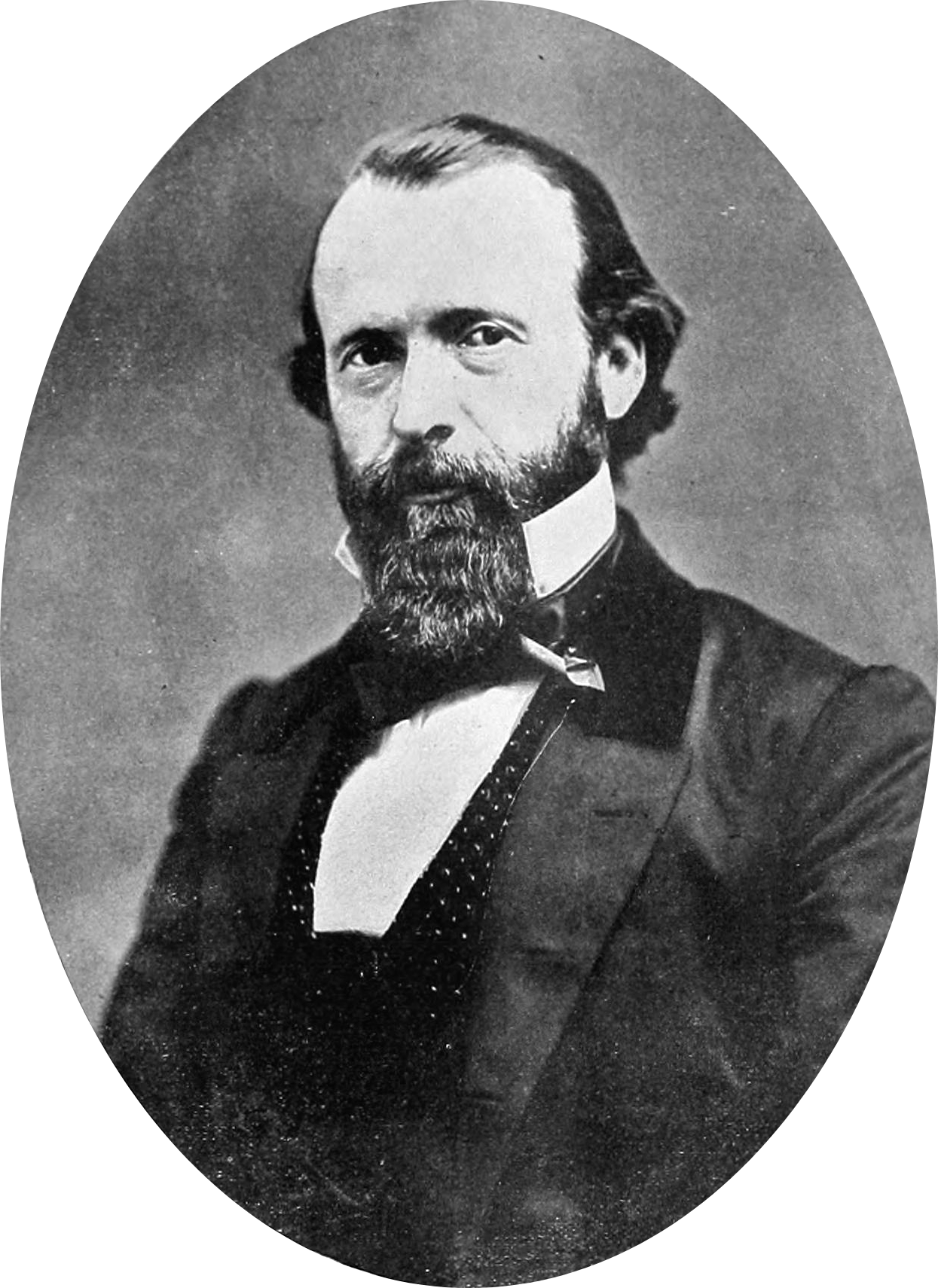
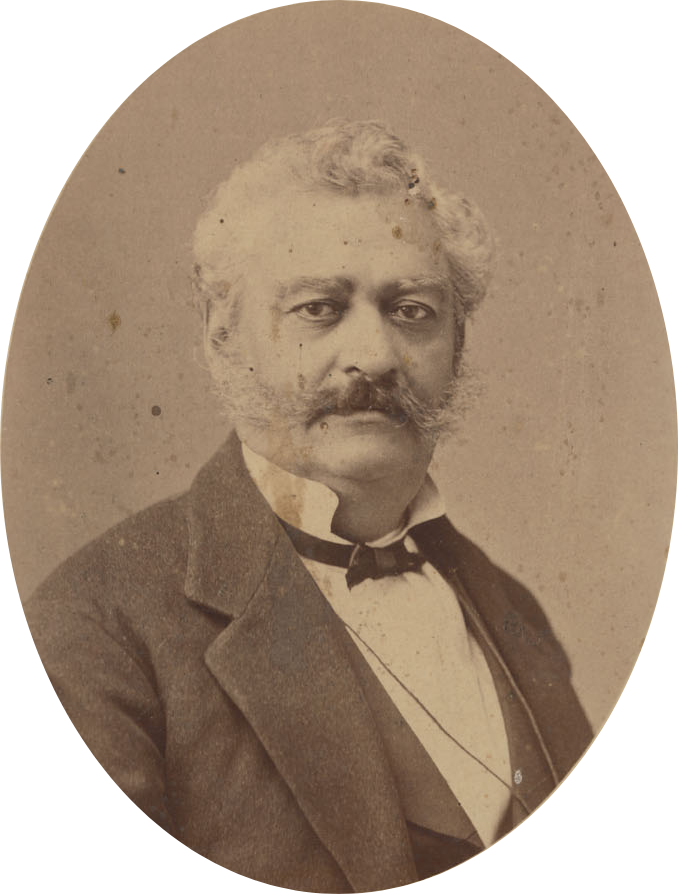
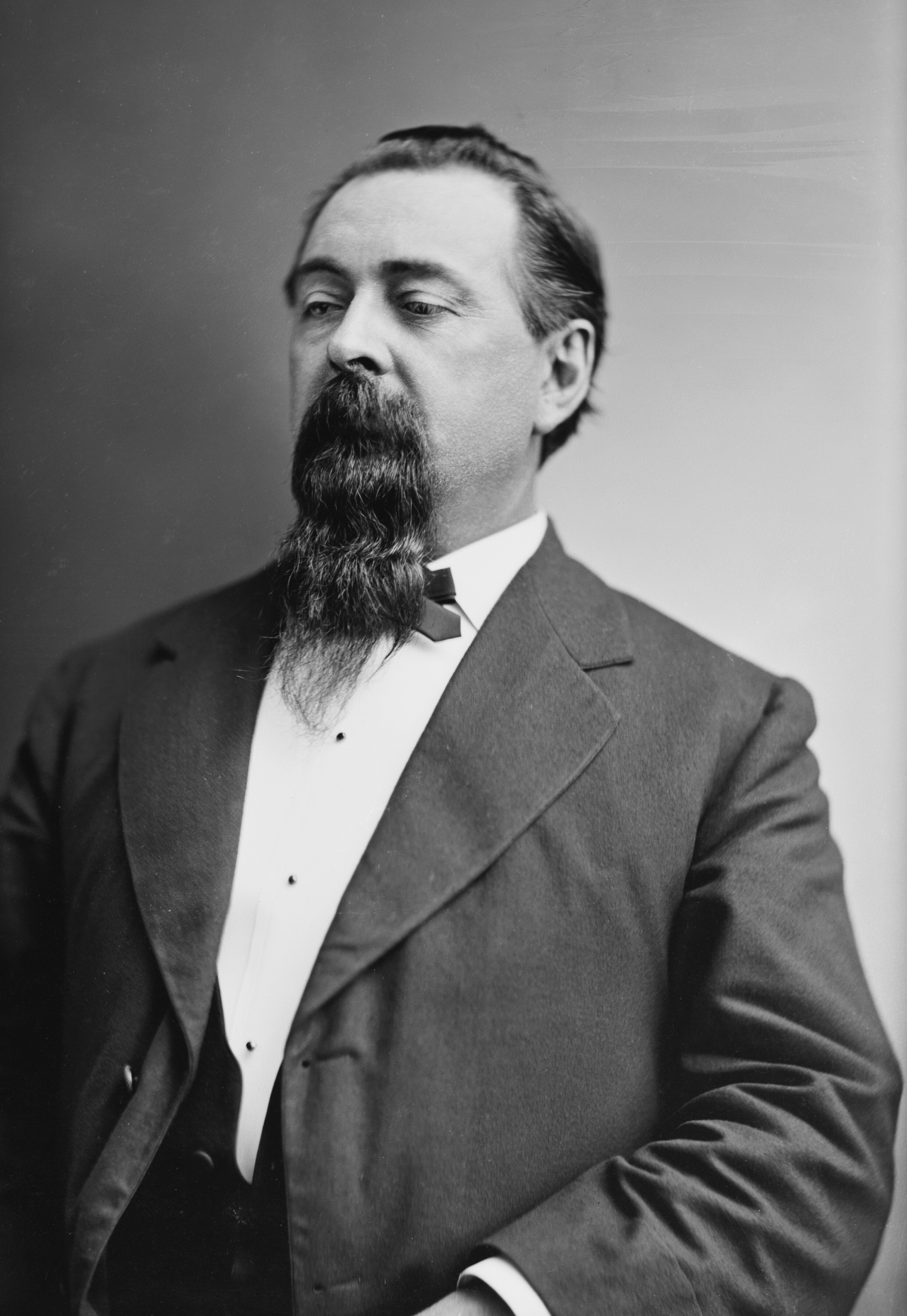
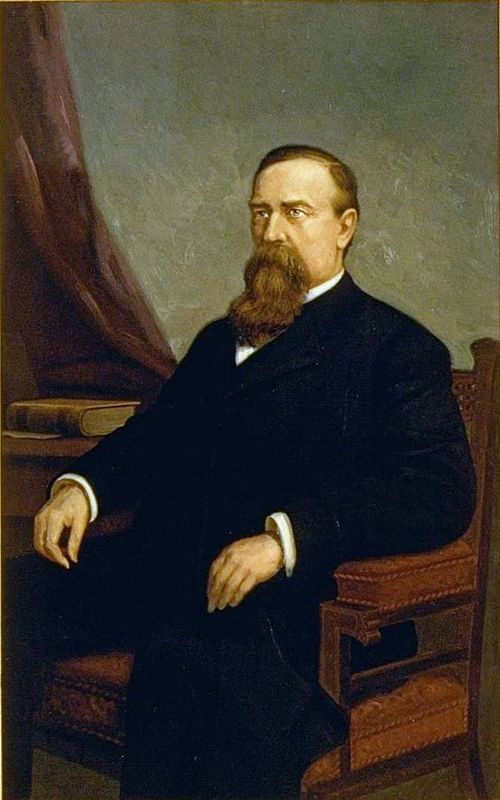
John F. Chellis, 1862-1863
Chellis was a businessman and Republican who served as California’s ninth lieutenant governor from 1862 to 1863. Because the state had recently assumed control of the prison system, his position also made him warden of San Quentin State Prison. In July 1862, Chellis was taken hostage during a massive prison breakout involving as many as 300 inmates, but was released largely unharmed.
Timothy (Tim) Nostrand Machin, c. 1863-1867
Machin was an American politician and attorney who served as California’s lieutenant governor from 1863 to 1867. He previously represented Tuolumne and Mono counties in the California State Assembly. He was appointed the Superintendent of San Quentin during his tenure.
William Holden, 1867-1871
Holden was a lawyer, farmer, merchant and longtime California politician who served as lieutenant governor from 1867 to 1871. During his term, he was involved in the state’s administration of San Quentin, while continuing a political career that included service in both houses of the California Legislature.
Chellis was a businessman and Republican who served as California’s ninth lieutenant governor from 1862 to 1863. Because the state had recently assumed control of the prison system, his position also made him warden of San Quentin State Prison. In July 1862, Chellis was taken hostage during a massive prison breakout involving as many as 300 inmates, but was released largely unharmed.
Timothy (Tim) Nostrand Machin, c. 1863-1867
Machin was an American politician and attorney who served as California’s lieutenant governor from 1863 to 1867. He previously represented Tuolumne and Mono counties in the California State Assembly. He was appointed the Superintendent of San Quentin during his tenure.
William Holden, 1867-1871
Holden was a lawyer, farmer, merchant and longtime California politician who served as lieutenant governor from 1867 to 1871. During his term, he was involved in the state’s administration of San Quentin, while continuing a political career that included service in both houses of the California Legislature.
José Antonio Romualdo Pacheco, 1871-1875
Romualdo Pacheco was a Californio statesman and diplomat who became California’s 12th governor in 1875, serving the remainder of Newton Booth’s term. He was the first governor of California born in the state and later became the first Latino to represent a state in the U.S. Congress. While Lieutenant Governor he served as ex-officio warden of San Quentin.
William Irwin, Lt. Governor / ex-officio warden and resident director, 1875-1880
As California's lieutenant governor, Irwin served as the ex-officio warden and resident director of San Quentin. His experience at the prison shaped his later interest in penal reform, and after becoming governor in 1875, he advocated improvements to California's prison system, including more consistent sentencing and better management of prison labor and rehabilitation.
OFFICIAL WARDENS,
1880-present
Josiah Parker Ames, 1880-1883 (top left)
Ames is generally identified as San Quentin's first "true warden," marking the beginning of the modern warden system. His administration focused on strengthening prison security and expanding industrial operations. He oversaw the development of the prison's jute mill, which became an important part of San Quentin's manufacturing program.
Paul Shirley, 1883-1888 (top right)
Shirley emphasized prison industries and vocational training. He supported the idea that incarcerated people should develop useful skills and advocated allowing them to earn small wages that could provide financial support after release. During his administration, San Quentin also established a formal prison matron position to oversee female prisoners.
General John McComb, 1888-1891 (bottom left)
McComb previously served in California's prison system, including at Folsom State Prison. At San Quentin, he faced questions about the treatment and separation of young offenders. During his tenure, the prison's specialized "Boys' Department" was closed. McComb also held the role of Managing Editor at the Daily Alta California newspaper, President of the San Francisco Olympic Club, and Secretary of the Society for the Prevention of Cruelty to Children.
William E. Hale, 1891-1899 (bottom right)
Hale, a former Alameda County sheriff, emphasized both security and prison reform. His administration dealt with escape attempts and improvements to prison infrastructure, including expanded water systems. He also advocated nationally for vocational education, better treatment of young offenders, and professional supervision of female inmates.
Ames is generally identified as San Quentin's first "true warden," marking the beginning of the modern warden system. His administration focused on strengthening prison security and expanding industrial operations. He oversaw the development of the prison's jute mill, which became an important part of San Quentin's manufacturing program.
Paul Shirley, 1883-1888 (top right)
Shirley emphasized prison industries and vocational training. He supported the idea that incarcerated people should develop useful skills and advocated allowing them to earn small wages that could provide financial support after release. During his administration, San Quentin also established a formal prison matron position to oversee female prisoners.
General John McComb, 1888-1891 (bottom left)
McComb previously served in California's prison system, including at Folsom State Prison. At San Quentin, he faced questions about the treatment and separation of young offenders. During his tenure, the prison's specialized "Boys' Department" was closed. McComb also held the role of Managing Editor at the Daily Alta California newspaper, President of the San Francisco Olympic Club, and Secretary of the Society for the Prevention of Cruelty to Children.
William E. Hale, 1891-1899 (bottom right)
Hale, a former Alameda County sheriff, emphasized both security and prison reform. His administration dealt with escape attempts and improvements to prison infrastructure, including expanded water systems. He also advocated nationally for vocational education, better treatment of young offenders, and professional supervision of female inmates.
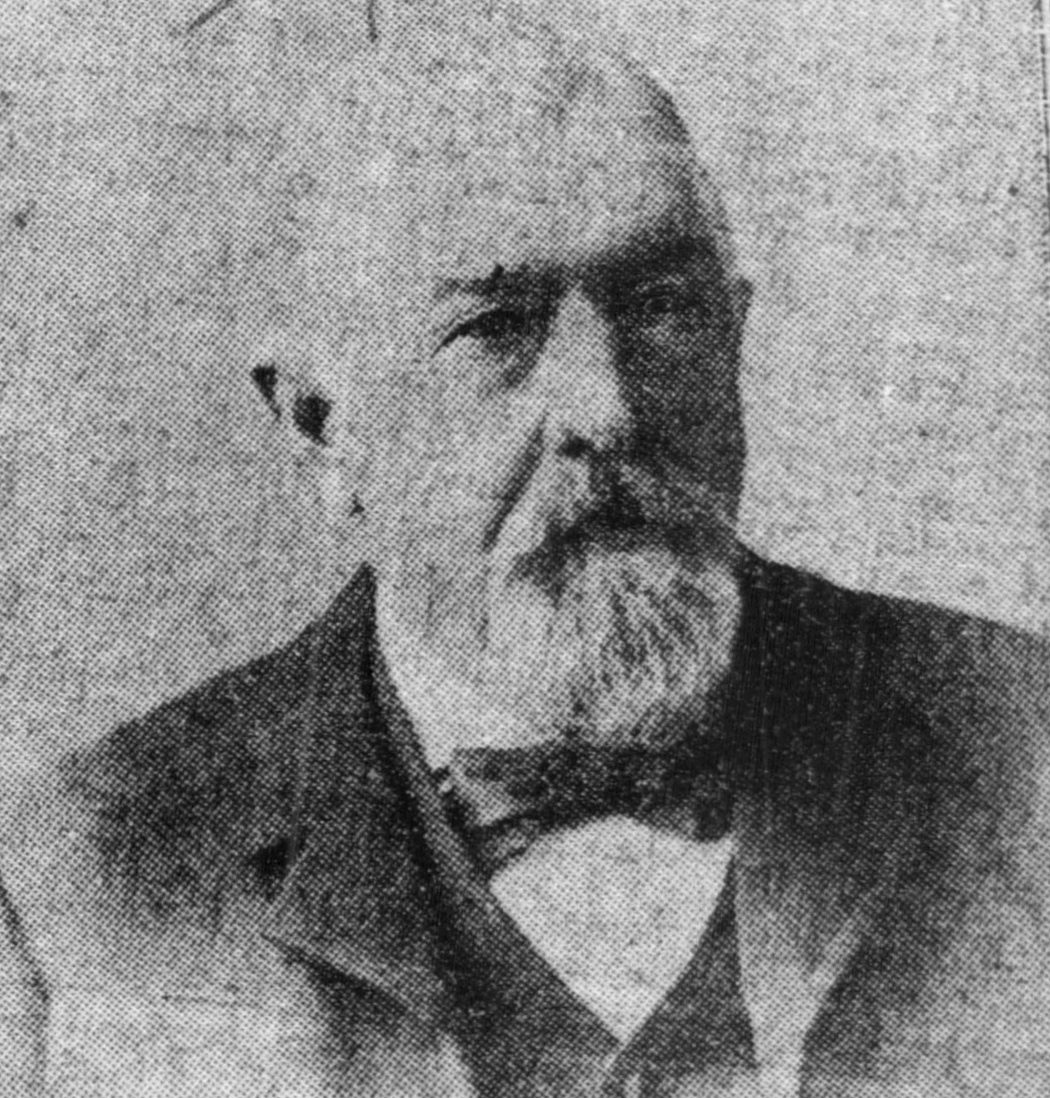
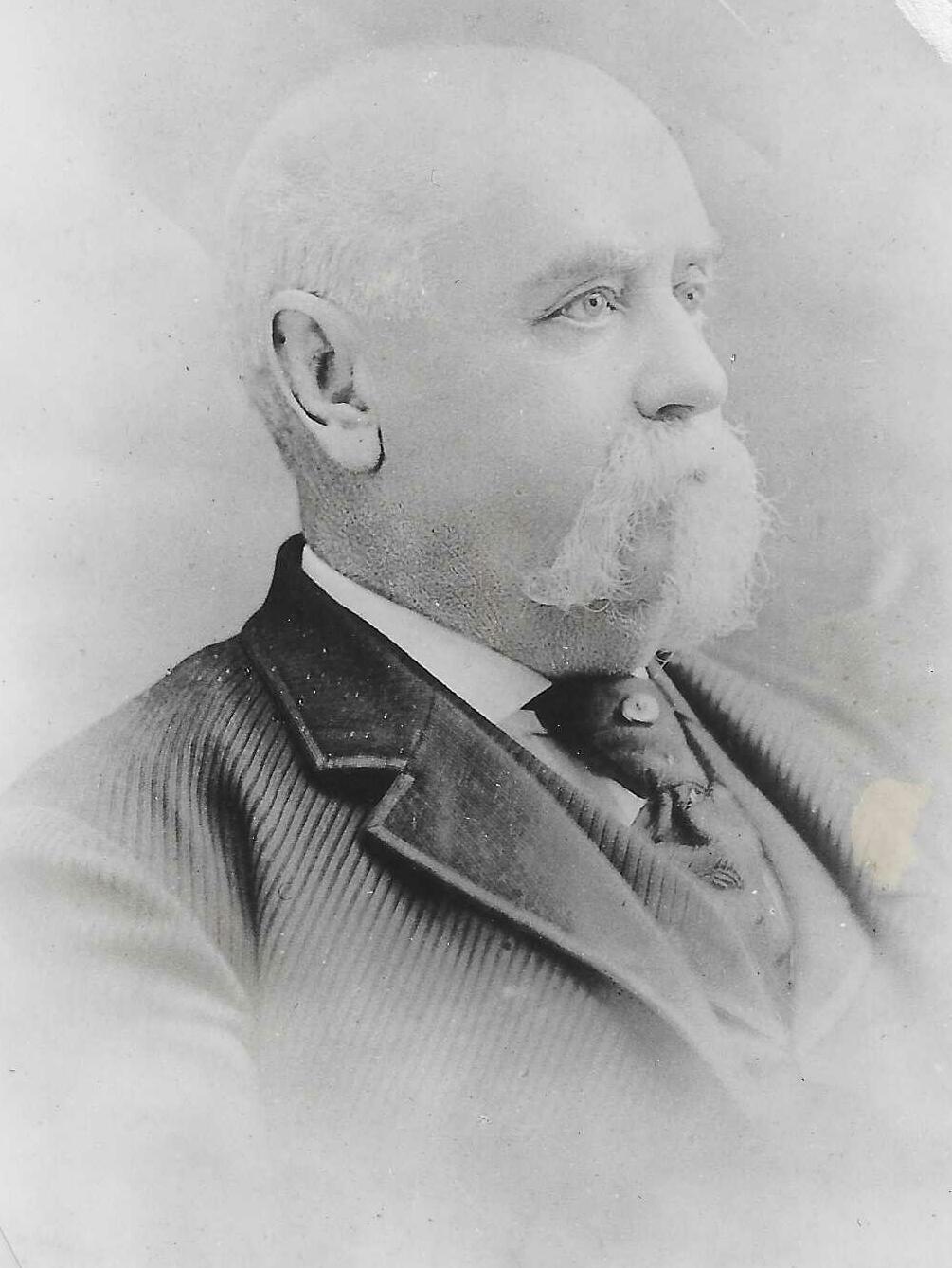
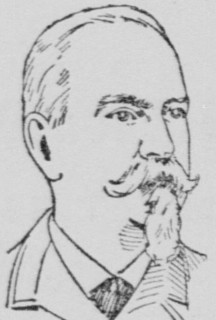
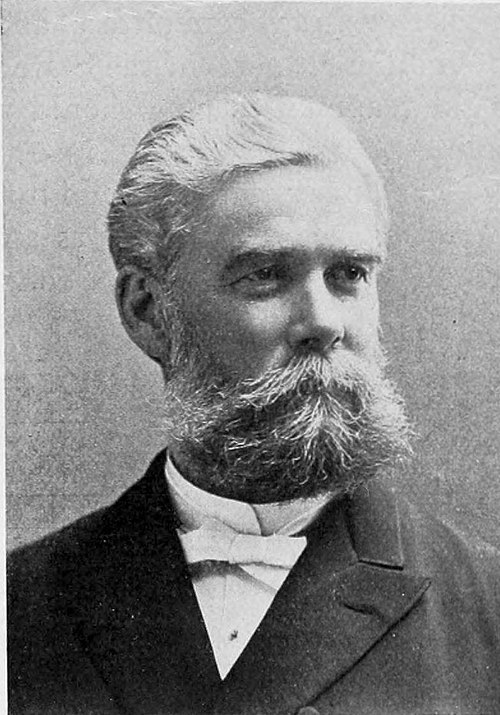

Martin Geronimo Aguirre, 1899-1903 (left)
Aguirre was a prominent Los Angeles lawman before becoming San Quentin's warden. He inherited a large and overcrowded prison and oversaw the institution during a period of significant legal and administrative challenges.
Major John W. Tompkins, 1903-1906
Tompkins served as San Quentin's warden during a period of continued growth and change at the prison. His tenure is documented in a 1904 U.S. Supreme Court case involving the imprisonment of Walter Dimmick, which identifies him as warden of the State Prison at San Quentin. Dimmick's case challenge concerned the calculation of his prison sentence due to his time spent in the Alameda County Jail before he was transferred to San Quentin.
John C. Edgar, 1906-1907
Edgar served as a critical bridge during a period of intense organizational transition. Before stepping into the warden's office, he worked extensively within the prison's administration under his predecessor, John W. Tompkins. During the chaotic days following the 1906 San Francisco earthquake and fire, Edgar was tasked with patrolling the prison's waterfront and maintaining order in the aftermath of the disaster.
Aguirre was a prominent Los Angeles lawman before becoming San Quentin's warden. He inherited a large and overcrowded prison and oversaw the institution during a period of significant legal and administrative challenges.
Major John W. Tompkins, 1903-1906
Tompkins served as San Quentin's warden during a period of continued growth and change at the prison. His tenure is documented in a 1904 U.S. Supreme Court case involving the imprisonment of Walter Dimmick, which identifies him as warden of the State Prison at San Quentin. Dimmick's case challenge concerned the calculation of his prison sentence due to his time spent in the Alameda County Jail before he was transferred to San Quentin.
John C. Edgar, 1906-1907
Edgar served as a critical bridge during a period of intense organizational transition. Before stepping into the warden's office, he worked extensively within the prison's administration under his predecessor, John W. Tompkins. During the chaotic days following the 1906 San Francisco earthquake and fire, Edgar was tasked with patrolling the prison's waterfront and maintaining order in the aftermath of the disaster.
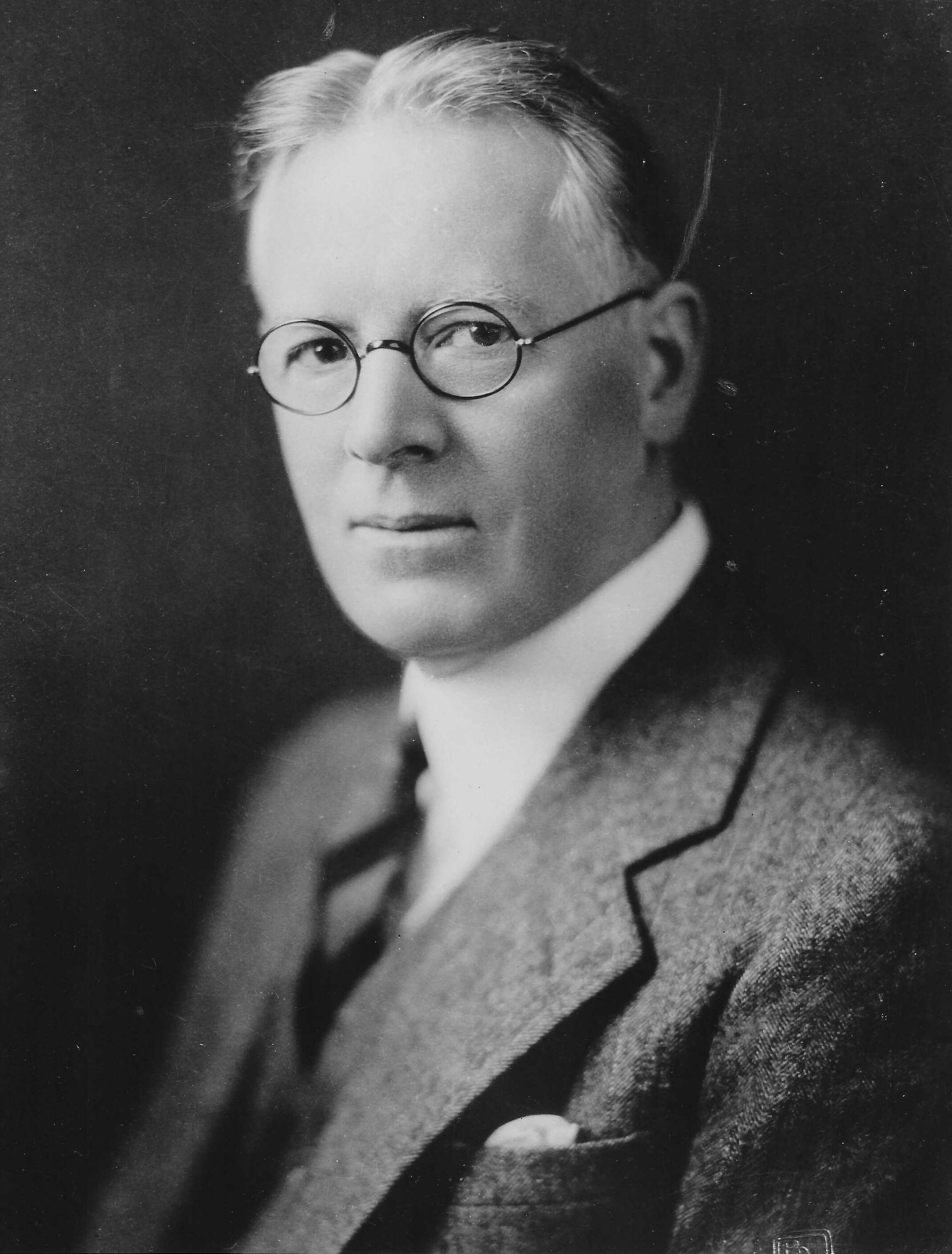
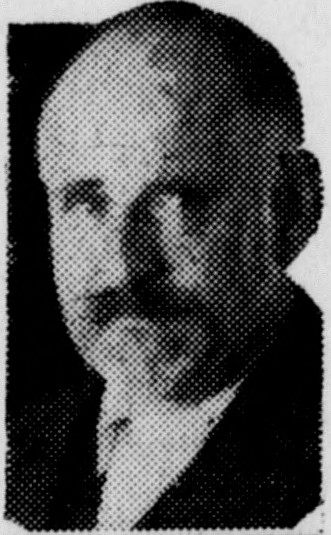
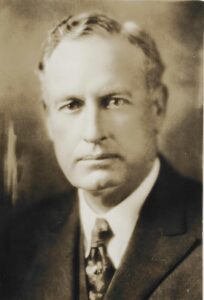
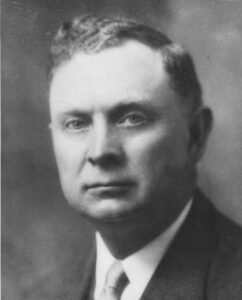
John E. Hoyle, 1907-1913 (left)
Hoyle introduced a more reform-oriented approach to prison administration. He encouraged recreational, athletic, and cultural activities and helped create a more humane institutional environment. His administration helped lay the groundwork for the broader reforms associated with his successor, James A. Johnston.
James A. Johnston, 1913-1924 (middle)
Johnston was one of San Quentin's most influential reform-minded wardens. He reduced the use of harsh disciplinary practices and expanded education, medical services, and prison industries. He believed that meaningful work and training could help prepare prisoners for life after incarceration. Johnston later became the first warden of Alcatraz Federal Penitentiary.
Frank J. Smith, 1925-1927 (right)
Smith served during the 1920s, as California's prison system continued to evolve and place greater emphasis on modernization and rehabilitation. His tenure was relatively brief, and he was succeeded by James B. Holohan.
Hoyle introduced a more reform-oriented approach to prison administration. He encouraged recreational, athletic, and cultural activities and helped create a more humane institutional environment. His administration helped lay the groundwork for the broader reforms associated with his successor, James A. Johnston.
James A. Johnston, 1913-1924 (middle)
Johnston was one of San Quentin's most influential reform-minded wardens. He reduced the use of harsh disciplinary practices and expanded education, medical services, and prison industries. He believed that meaningful work and training could help prepare prisoners for life after incarceration. Johnston later became the first warden of Alcatraz Federal Penitentiary.
Frank J. Smith, 1925-1927 (right)
Smith served during the 1920s, as California's prison system continued to evolve and place greater emphasis on modernization and rehabilitation. His tenure was relatively brief, and he was succeeded by James B. Holohan.
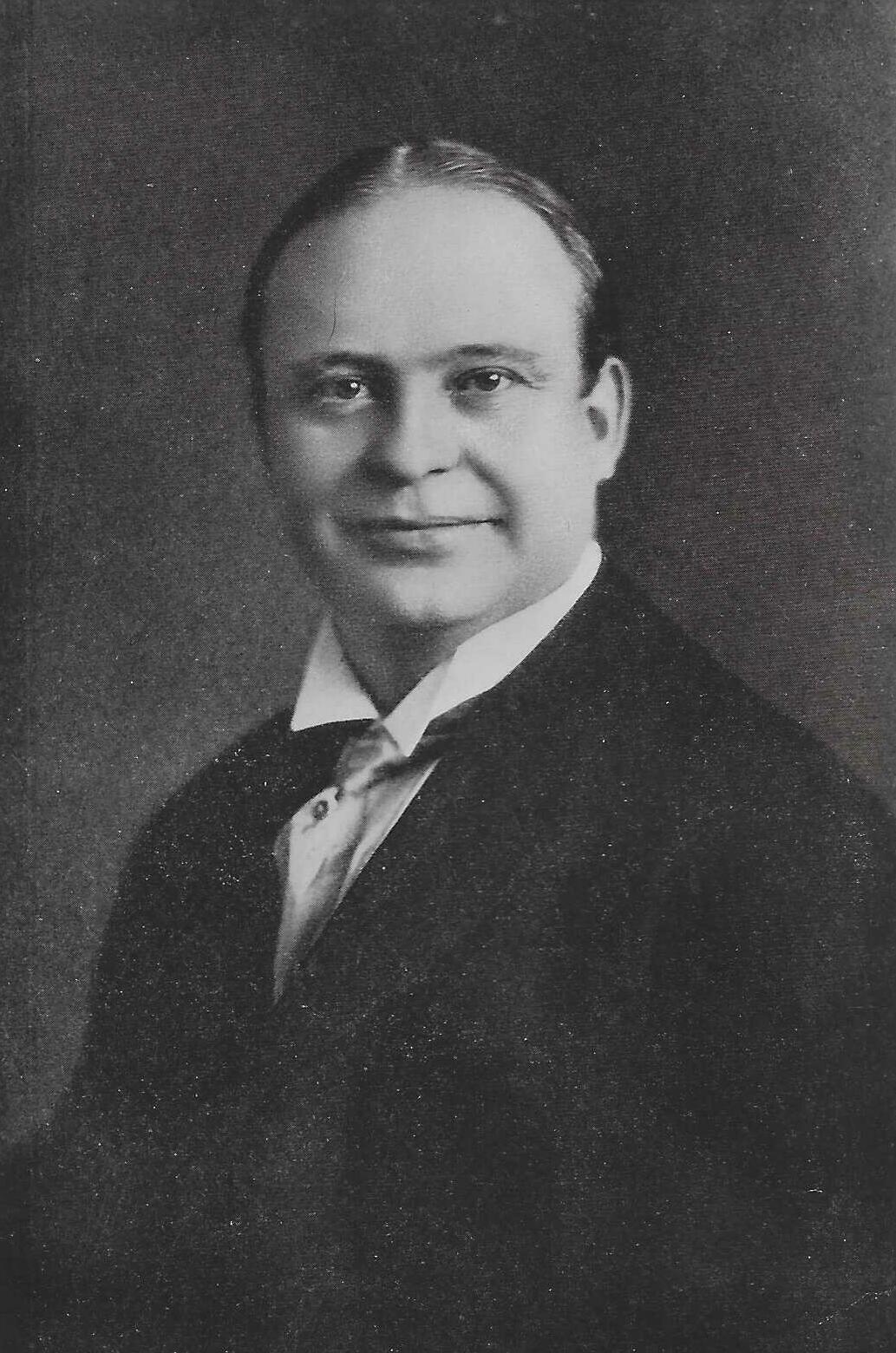
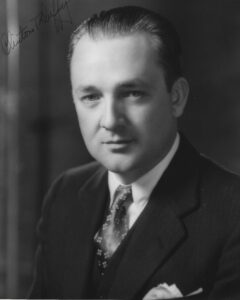
James B. Holohan, 1927-1936
Holohan led San Quentin during a period of severe overcrowding and institutional tension. He expanded educational and vocational programs, but his administration was also marked by growing violence and security problems. In 1935, Holohan was seriously injured during an escape attempt when prisoners attacked members of the prison board. He resigned the following year.
Court Smith, 1936-1940
Smith came to San Quentin after serving as warden of Folsom State Prison. His tenure coincided with growing debate over prison reform and the direction of California's correctional system. He left the position in 1940, clearing the way for the reform-minded Clinton Duffy.
Clinton T. Duffy, 1940-1952
Duffy became one of the best-known prison reformers in American history. He eliminated several harsh disciplinary practices and promoted education, rehabilitation, and inmate participation in prison governance. Among his innovations were a prison cafeteria, night school, an inmate advisory council, and an Alcoholics Anonymous chapter. His work made San Quentin internationally known as a center of prison reform.
Holohan led San Quentin during a period of severe overcrowding and institutional tension. He expanded educational and vocational programs, but his administration was also marked by growing violence and security problems. In 1935, Holohan was seriously injured during an escape attempt when prisoners attacked members of the prison board. He resigned the following year.
Court Smith, 1936-1940
Smith came to San Quentin after serving as warden of Folsom State Prison. His tenure coincided with growing debate over prison reform and the direction of California's correctional system. He left the position in 1940, clearing the way for the reform-minded Clinton Duffy.
Clinton T. Duffy, 1940-1952
Duffy became one of the best-known prison reformers in American history. He eliminated several harsh disciplinary practices and promoted education, rehabilitation, and inmate participation in prison governance. Among his innovations were a prison cafeteria, night school, an inmate advisory council, and an Alcoholics Anonymous chapter. His work made San Quentin internationally known as a center of prison reform.
H.O. (Harley Oliver) Teets, 1952-1957
Teets succeeded Duffy and attempted to balance rehabilitation with institutional security. His tenure included several major security incidents and a highly publicized conflict with condemned prisoner and author Caryl Chessman. Despite his reputation for strictness, Teets was also known for personally speaking with condemned prisoners before their executions. Teets passed away while serving as warden.
Fred R. Dickson, 1957-1964
Dickson continued San Quentin's emphasis on rehabilitation and education. His tenure included the construction of the Adjustment Center and the highly publicized execution of Caryl Chessman in 1960. After retiring from San Quentin, Dickson was appointed chairman of the California Adult Authority.
Lawrence E. Wilson, 1964-1967
Wilson served during a period of growing debate over civil rights and prisoners' rights. His tenure included the 1967 execution of Aaron Mitchell, the last execution in California before the state halted executions for more than two decades. The experience reportedly influenced Wilson to become an opponent of capital punishment.
Louis Sander “Red” Nelson, 1967-1974
Nelson served during one of the most turbulent periods in San Quentin's history. His tenure included severe racial tensions and the 1971 escape attempt involving George Jackson, which resulted in the deaths of Jackson, two other prisoners, and three correctional officers. Nelson was also a strong supporter of capital punishment and had extensive experience at Alcatraz before coming to San Quentin.
Teets succeeded Duffy and attempted to balance rehabilitation with institutional security. His tenure included several major security incidents and a highly publicized conflict with condemned prisoner and author Caryl Chessman. Despite his reputation for strictness, Teets was also known for personally speaking with condemned prisoners before their executions. Teets passed away while serving as warden.
Fred R. Dickson, 1957-1964
Dickson continued San Quentin's emphasis on rehabilitation and education. His tenure included the construction of the Adjustment Center and the highly publicized execution of Caryl Chessman in 1960. After retiring from San Quentin, Dickson was appointed chairman of the California Adult Authority.
Lawrence E. Wilson, 1964-1967
Wilson served during a period of growing debate over civil rights and prisoners' rights. His tenure included the 1967 execution of Aaron Mitchell, the last execution in California before the state halted executions for more than two decades. The experience reportedly influenced Wilson to become an opponent of capital punishment.
Louis Sander “Red” Nelson, 1967-1974
Nelson served during one of the most turbulent periods in San Quentin's history. His tenure included severe racial tensions and the 1971 escape attempt involving George Jackson, which resulted in the deaths of Jackson, two other prisoners, and three correctional officers. Nelson was also a strong supporter of capital punishment and had extensive experience at Alcatraz before coming to San Quentin.


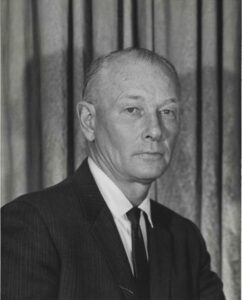
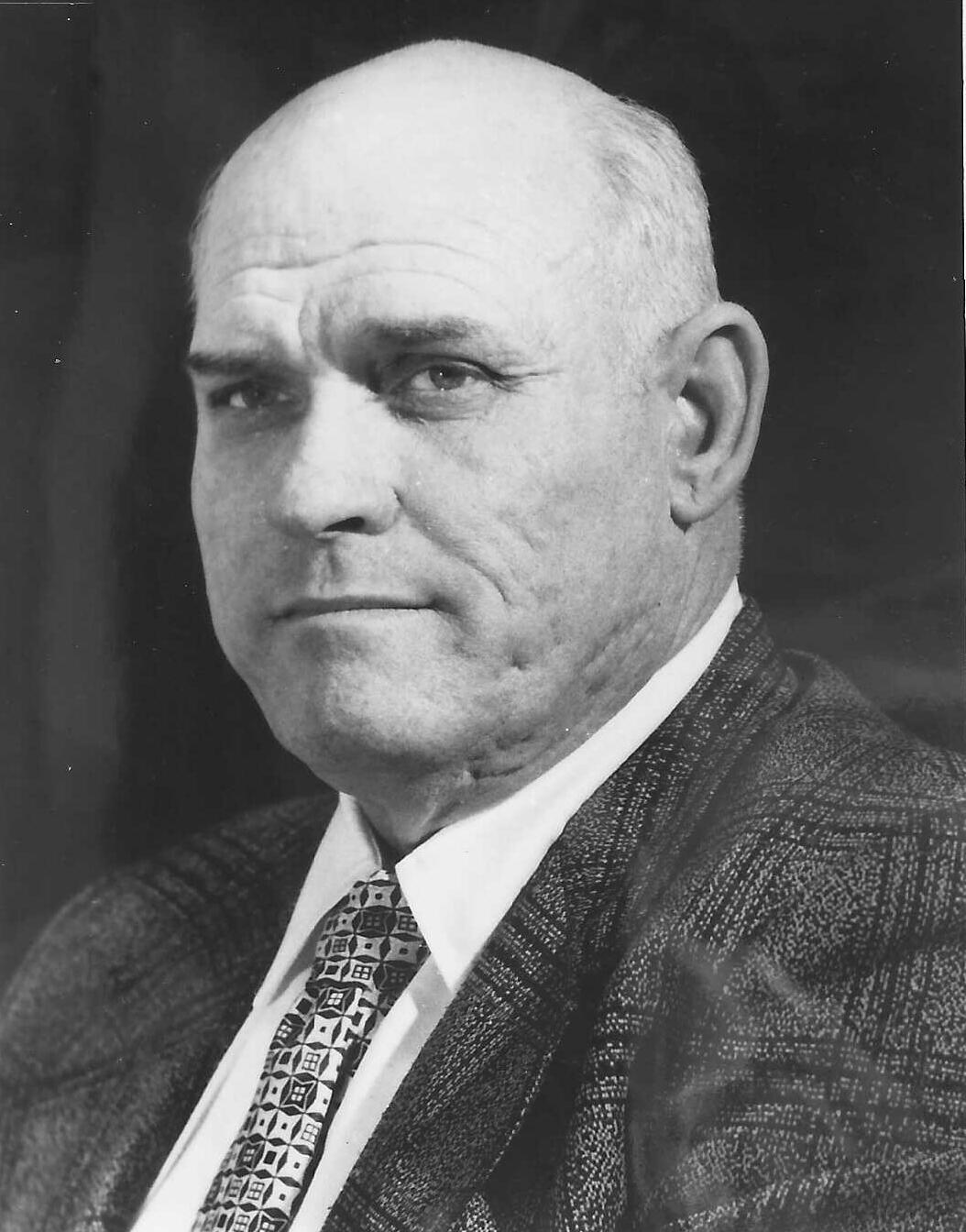
Kenneth D. Britt, 1974-1975
Britt served briefly during a period of significant unrest in California's prisons. He had previously worked at San Quentin as an assistant superintendent. He supported educational programs and encouraged greater family participation in prison graduation ceremonies.
Robert M. Rees, 1975-1976
Rees served during a transitional period in California corrections. His tenure coincided with growing tensions within the prison system and increasing litigation involving prisoner classification, security, and legal rights.
George Sumner, 1977-1981
Sumner was interested in preserving San Quentin's history and encouraged the documentation and collection of historical materials associated with the prison. He later moved to Nevada, where he became director of the state's prison system.
Britt served briefly during a period of significant unrest in California's prisons. He had previously worked at San Quentin as an assistant superintendent. He supported educational programs and encouraged greater family participation in prison graduation ceremonies.
Robert M. Rees, 1975-1976
Rees served during a transitional period in California corrections. His tenure coincided with growing tensions within the prison system and increasing litigation involving prisoner classification, security, and legal rights.
George Sumner, 1977-1981
Sumner was interested in preserving San Quentin's history and encouraged the documentation and collection of historical materials associated with the prison. He later moved to Nevada, where he became director of the state's prison system.
Reginald Pulley, Interim Warden, 1981-February 1982; Warden, February 1982-December 1983
Pulley became San Quentin's first Black warden. A longtime corrections administrator, he supported expanded family visitation and rehabilitative employment programs. He was also openly critical of the aging prison's physical condition and questioned whether San Quentin could continue to function effectively as a maximum-security institution.
Daniel B. Vasquez, December 1983-1994
Vasquez had a long career in California corrections, beginning as a prison guard before moving into parole and institutional administration. As San Quentin's warden, he oversaw the state's largest Death Row population, including the 1992 execution of Robert Alton Harris. He also played the fictional warden of San Quentin in the 1993 film Blood In Blood Out, which filmed at the actual prison.
Arthur Calderon, 1994-1999
Calderon oversaw the prison during a period when it remained California’s principal maximum-security institution and home to the state’s death row. He was particularly associated with San Quentin’s administration of executions and was involved in several significant legal cases concerning prison operations and access to executions.
Jeanne Woodford, 1999-2004
Woodford was San Quentin's first female warden. She began her corrections career at the prison as a correctional officer in 1978 and eventually rose to its highest administrative position. She became known for emphasizing education, rehabilitation, and preparation for release. She later served as director of the California Department of Corrections and Rehabilitation and became a prominent opponent of the death penalty.
Pulley became San Quentin's first Black warden. A longtime corrections administrator, he supported expanded family visitation and rehabilitative employment programs. He was also openly critical of the aging prison's physical condition and questioned whether San Quentin could continue to function effectively as a maximum-security institution.
Daniel B. Vasquez, December 1983-1994
Vasquez had a long career in California corrections, beginning as a prison guard before moving into parole and institutional administration. As San Quentin's warden, he oversaw the state's largest Death Row population, including the 1992 execution of Robert Alton Harris. He also played the fictional warden of San Quentin in the 1993 film Blood In Blood Out, which filmed at the actual prison.
Arthur Calderon, 1994-1999
Calderon oversaw the prison during a period when it remained California’s principal maximum-security institution and home to the state’s death row. He was particularly associated with San Quentin’s administration of executions and was involved in several significant legal cases concerning prison operations and access to executions.
Jeanne Woodford, 1999-2004
Woodford was San Quentin's first female warden. She began her corrections career at the prison as a correctional officer in 1978 and eventually rose to its highest administrative position. She became known for emphasizing education, rehabilitation, and preparation for release. She later served as director of the California Department of Corrections and Rehabilitation and became a prominent opponent of the death penalty.
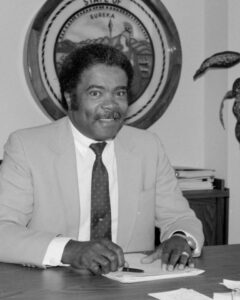
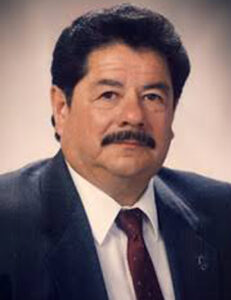

Jill Brown, May 2004-July 2005
Brown served as warden of San Quentin State Prison beginning in 2004, having previously held senior leadership positions within the California prison system. She brought extensive corrections experience to San Quentin and was among the women who held senior leadership roles in California’s prison system during this period.
John Stokes, Acting Warden, July-September 2005
Stokes, who had been San Quentin's chief deputy warden, served as acting warden following Brown's departure. His tenure was part of a period of administrative transition at the prison.
Steven W. Ornoski, Acting Warden, September 2005-March 2006
Ornoski served as Acting Warden of San Quentin in 2005–2006, bringing extensive corrections experience to the institution before being transferred to CDCR headquarters in Sacramento.
Eddie Ylst, Acting Warden, March-June 2006
Ylst, a veteran of roughly 40 years with the California Department of Corrections, came out of retirement in March 2006 to serve as San Quentin’s Acting Warden, succeeding Ornoski.
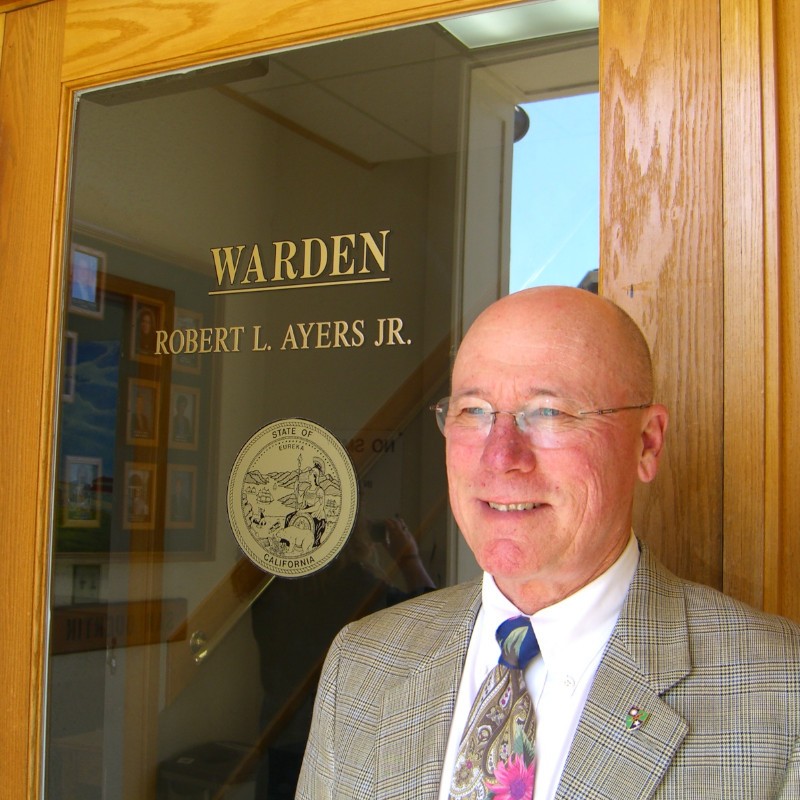
Robert Ayers Jr., June 2006-December 2008 (at left)
Ayers, a longtime corrections administrator, led San Quentin during a period of increasing attention to overcrowding, prison conditions, and rehabilitation. During his tenure, the San Quentin News was revived after a long hiatus. He later held a senior leadership position within the California Department of Corrections and Rehabilitation.
Brown served as warden of San Quentin State Prison beginning in 2004, having previously held senior leadership positions within the California prison system. She brought extensive corrections experience to San Quentin and was among the women who held senior leadership roles in California’s prison system during this period.
John Stokes, Acting Warden, July-September 2005
Stokes, who had been San Quentin's chief deputy warden, served as acting warden following Brown's departure. His tenure was part of a period of administrative transition at the prison.
Steven W. Ornoski, Acting Warden, September 2005-March 2006
Ornoski served as Acting Warden of San Quentin in 2005–2006, bringing extensive corrections experience to the institution before being transferred to CDCR headquarters in Sacramento.
Eddie Ylst, Acting Warden, March-June 2006
Ylst, a veteran of roughly 40 years with the California Department of Corrections, came out of retirement in March 2006 to serve as San Quentin’s Acting Warden, succeeding Ornoski.
Robert Ayers Jr., June 2006-December 2008 (at left)
Ayers, a longtime corrections administrator, led San Quentin during a period of increasing attention to overcrowding, prison conditions, and rehabilitation. During his tenure, the San Quentin News was revived after a long hiatus. He later held a senior leadership position within the California Department of Corrections and Rehabilitation.
Robert K. Wong, Acting Warden, December 2008-January 2010
Wong served as acting warden during another period of transition in San Quentin's administration.
Vincent Cullen, Acting Warden, January 2010–February 2011
Cullen served as acting warden during a period when California's correctional system was facing significant operational and overcrowding challenges. He had previously served in leadership positions at San Quentin and worked to maintain the prison's operations during his short tenure.
Michael G. Martel, Warden, February 2011-2012
Martel had begun his corrections career at San Quentin and later returned as warden after serving as warden at Mule Creek State Prison. During his tenure, San Quentin continued to expand educational and rehabilitative programs. He retired from state service after leaving the position.
Wong served as acting warden during another period of transition in San Quentin's administration.
Vincent Cullen, Acting Warden, January 2010–February 2011
Cullen served as acting warden during a period when California's correctional system was facing significant operational and overcrowding challenges. He had previously served in leadership positions at San Quentin and worked to maintain the prison's operations during his short tenure.
Michael G. Martel, Warden, February 2011-2012
Martel had begun his corrections career at San Quentin and later returned as warden after serving as warden at Mule Creek State Prison. During his tenure, San Quentin continued to expand educational and rehabilitative programs. He retired from state service after leaving the position.
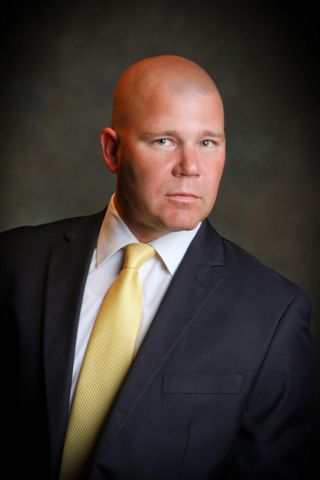
Kevin Chappell, 2012-2014 (top left)
Chappell was a career corrections administrator who became warden during a period of major change in California's prison system. His tenure coincided with prison realignment and efforts to reduce the state's prison population. In 2014, he temporarily suspended publication of the San Quentin News, generating controversy over the newspaper's editorial independence.
Kelly Mitchell, Acting Warden, 2014
Mitchell spent much of her corrections career at San Quentin, rising from Associate Warden to Chief Deputy Warden and briefly serving as Acting Warden in 2014. During her years at San Quentin, she was closely involved with the prison’s rehabilitation and self-help programs and was known for maintaining an open, direct relationship with incarcerated people, including during the 2015 Legionnaires’ disease outbreak.
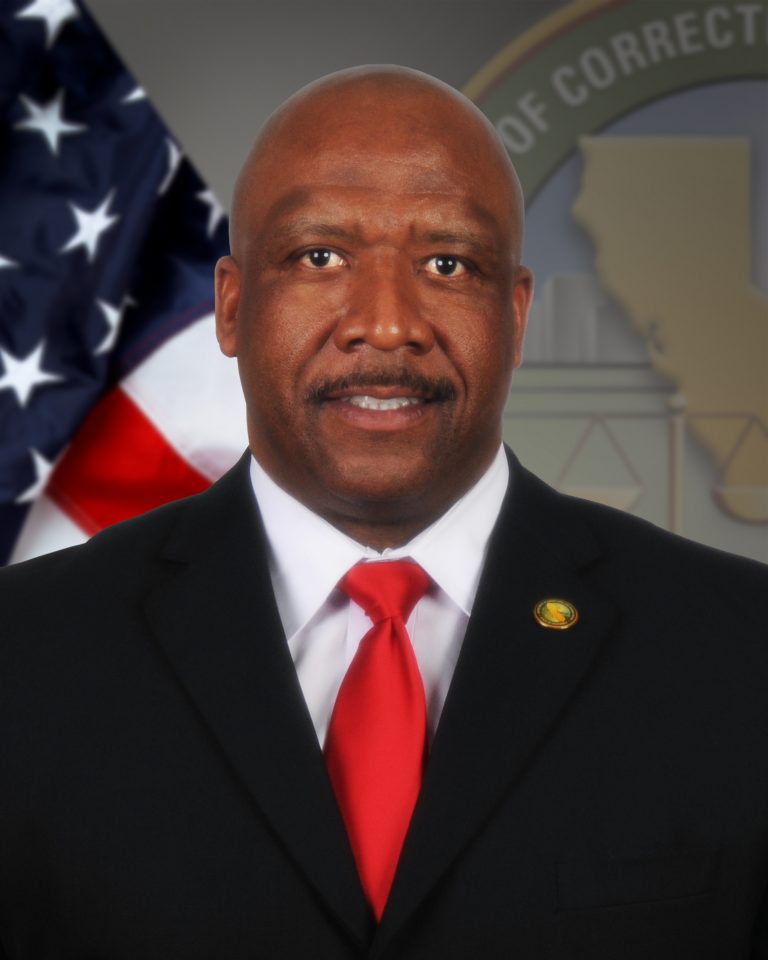
Ron Davis, Acting Warden, 2014-2015; Warden, 2015-2020 (top right)
Davis oversaw San Quentin during a period of continued emphasis on education, journalism, and rehabilitation. During his tenure, the San Quentin News expanded its reach, and the prison launched Wall City, a magazine produced by incarcerated writers.
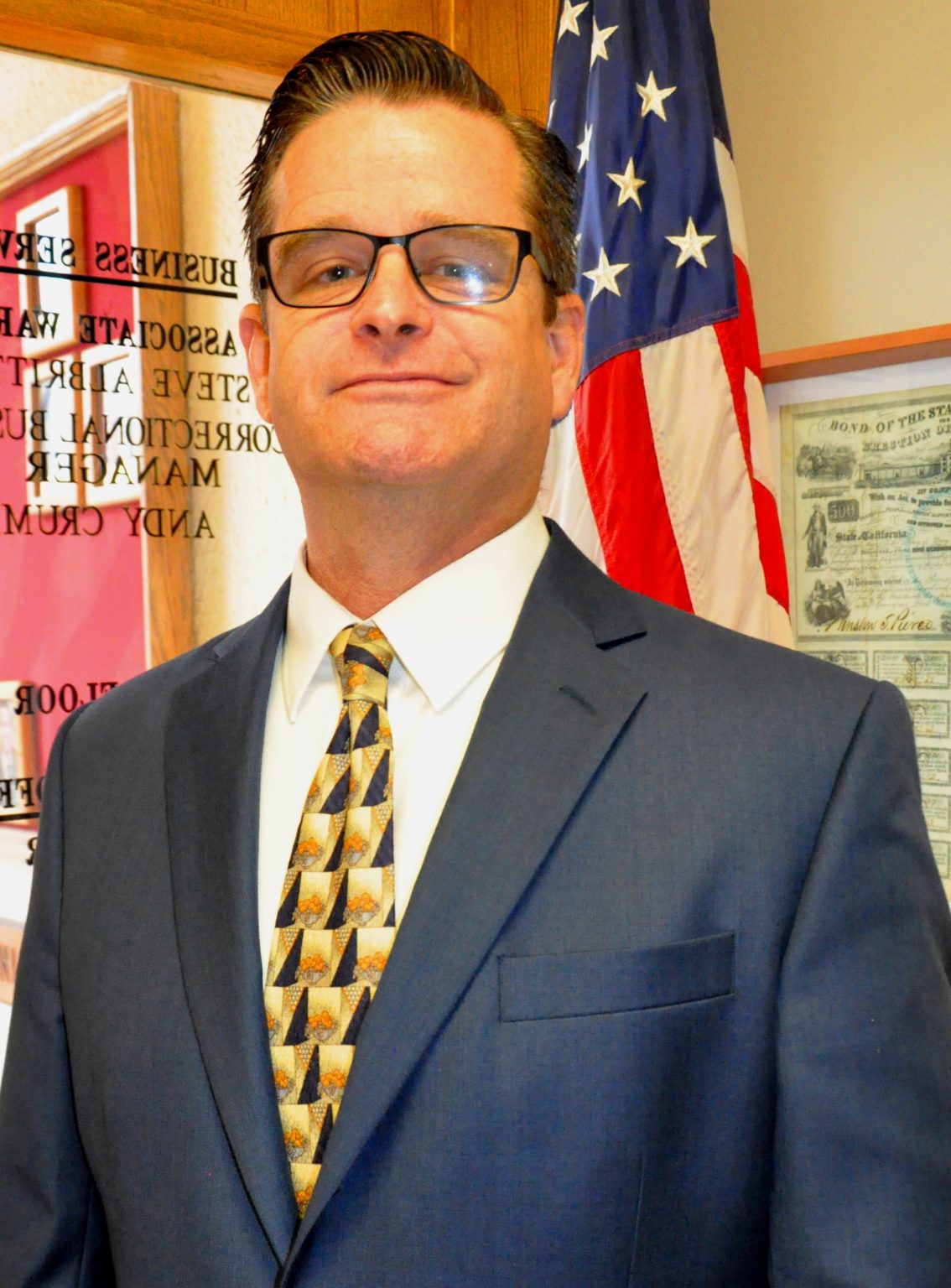
Ron Broomfield, Acting Warden, February 2020-2021; Warden, 2021-August 2023 (bottom left)
Broomfield served during a period of major change in the history of San Quentin. He was involved in the state's plans to transform the prison from a traditional maximum-security institution into a rehabilitation-focused facility emphasizing education, vocational training, and preparation for release. In 2023, he became director of the Division of Adult Institutions
Oak Smith, Acting Warden, January 2023-January 2024
Smith served as Acting Warden while Ron Broomfield remained San Quentin's appointed warden, including during Broomfield's special assignment ain Sacramento. Following Broomfield's departure in August 2023, Smith continued as Acting Warden until Chance Andes took over in January 2024.
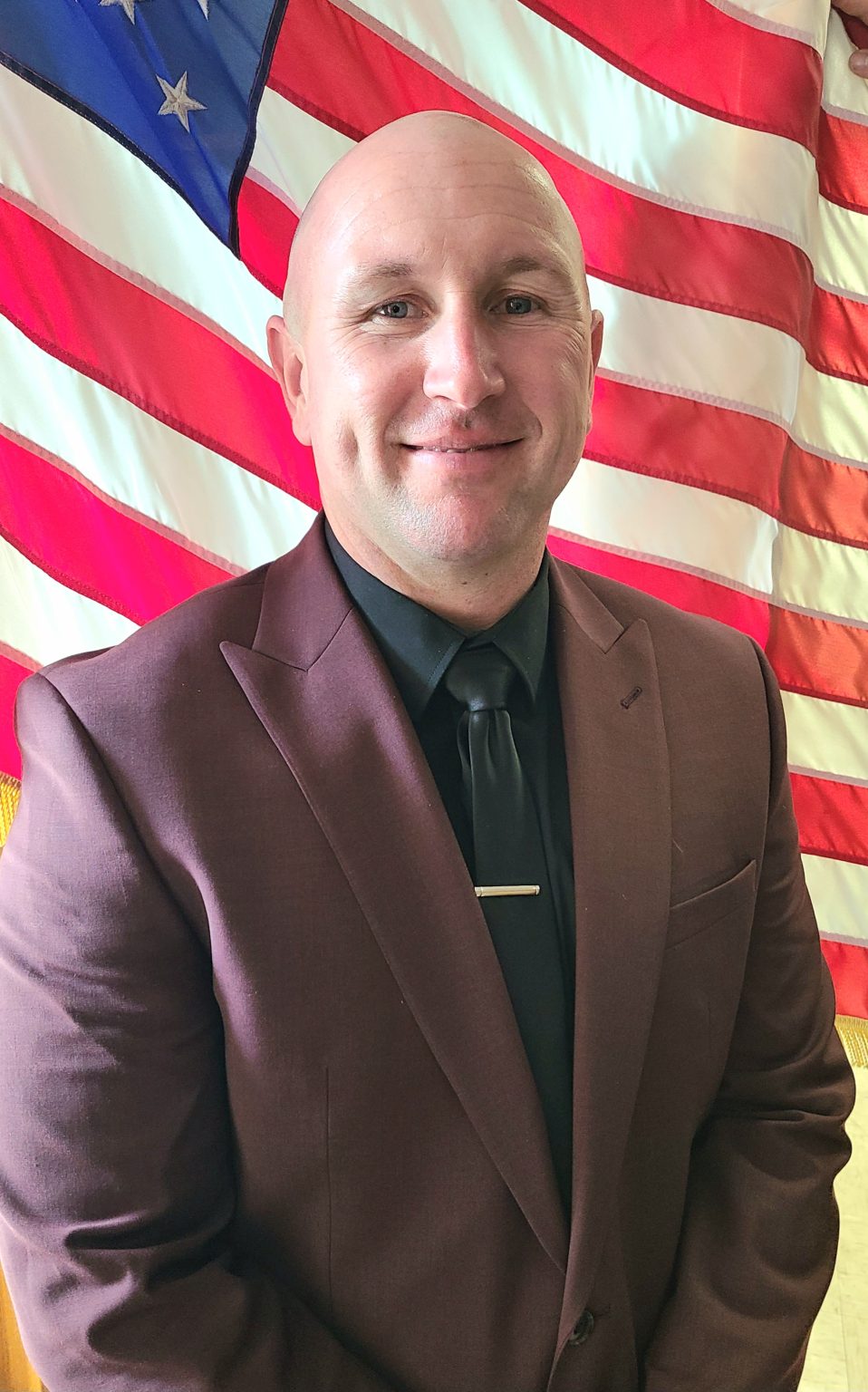
Chance Andes, Acting Warden, January-December 2024; Warden, December 2024-present (bottom right)
Chance Andes became acting warden of San Quentin in January 2024 and assumed the position of warden of the newly designated San Quentin Rehabilitation Center later that year. A longtime CDCR administrator, Andes has held leadership positions at several California correctional institutions. His tenure has focused on rehabilitation, staff development, and preparing incarcerated people for successful reentry into their communities.
Chappell was a career corrections administrator who became warden during a period of major change in California's prison system. His tenure coincided with prison realignment and efforts to reduce the state's prison population. In 2014, he temporarily suspended publication of the San Quentin News, generating controversy over the newspaper's editorial independence.
Kelly Mitchell, Acting Warden, 2014
Mitchell spent much of her corrections career at San Quentin, rising from Associate Warden to Chief Deputy Warden and briefly serving as Acting Warden in 2014. During her years at San Quentin, she was closely involved with the prison’s rehabilitation and self-help programs and was known for maintaining an open, direct relationship with incarcerated people, including during the 2015 Legionnaires’ disease outbreak.
Ron Davis, Acting Warden, 2014-2015; Warden, 2015-2020 (top right)
Davis oversaw San Quentin during a period of continued emphasis on education, journalism, and rehabilitation. During his tenure, the San Quentin News expanded its reach, and the prison launched Wall City, a magazine produced by incarcerated writers.
Ron Broomfield, Acting Warden, February 2020-2021; Warden, 2021-August 2023 (bottom left)
Broomfield served during a period of major change in the history of San Quentin. He was involved in the state's plans to transform the prison from a traditional maximum-security institution into a rehabilitation-focused facility emphasizing education, vocational training, and preparation for release. In 2023, he became director of the Division of Adult Institutions
Oak Smith, Acting Warden, January 2023-January 2024
Smith served as Acting Warden while Ron Broomfield remained San Quentin's appointed warden, including during Broomfield's special assignment ain Sacramento. Following Broomfield's departure in August 2023, Smith continued as Acting Warden until Chance Andes took over in January 2024.
Chance Andes, Acting Warden, January-December 2024; Warden, December 2024-present (bottom right)
Chance Andes became acting warden of San Quentin in January 2024 and assumed the position of warden of the newly designated San Quentin Rehabilitation Center later that year. A longtime CDCR administrator, Andes has held leadership positions at several California correctional institutions. His tenure has focused on rehabilitation, staff development, and preparing incarcerated people for successful reentry into their communities.